About us
The project
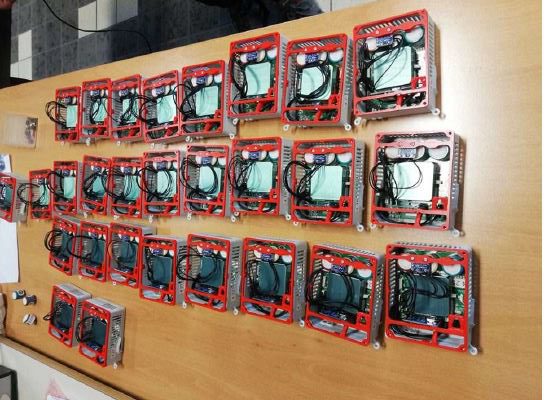
Antilope, or "Assessment of Indoor Outdoor Pollutants Exposure", is a low-cost system for measuring atmospheric pollutants such as nitrogen oxides (NO & NO2), ozone (O3) and fine particles (PM 2.5). Different variants of Antilope modules exist depending on the communication modes (recording on SD card, Bluetooth communication or data repatriation via GSM) and on the type of sensors used (classical electrochemical or metal oxide).
Today, the Antilope range includes :
- Antilope
- Saïga
- Oryx
- Madoqua
- Impala
- Nyala
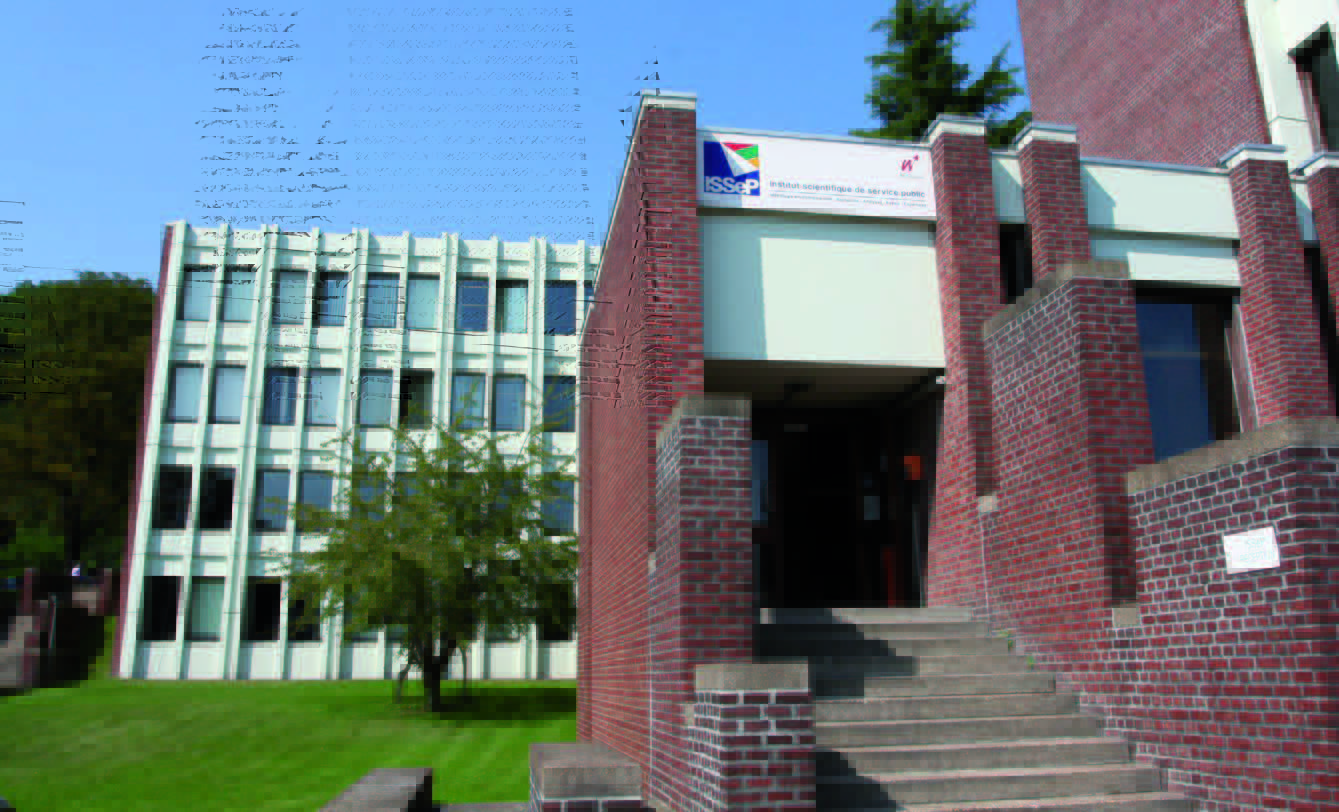
This system is developed within the HEPL team (Electronics & Embedded Systems Service, Engineering Department) and financed by its own funds, in collaboration with the ISSeP (Scientific Institute of Public Service, Air Quality Department). The ISSeP uses modules of the Antilope range in associated research projects. The ISSeP is a public interest organization created in 1990 and carries out scientific and technical activities in the environmental field. It is in charge of numerous characterization programs for environmental media (air, water, soil, waste, sediment, non-ionizing radiation) aimed at diagnosing the chemical, physical, ecological and sanitary status of these media.
One of its missions is the monitoring of air quality: "According to the WHO, air pollution is now the most important environmental factor affecting health, everyone is affected, whether in rich or poor countries. It is estimated that air pollution kills nearly 7 million people per year in the world and this figure is constantly increasing unlike other sources of pollution (water, soil ...) for which the situation is improving. All this without counting the important impact on the climate (global warming, melting glaciers, acid rain) directly linked to air pollution. It is therefore crucial to take strong measures to reduce emissions and to have continuous monitoring to verify the impact of abatement plans.
As an air reference laboratory, the ISSeP manages these measurement networks, which make it possible to inform the population (ozone peak, smog alert) and serve as a working base for scientific experts and the competent administrations". (https://www.issep.be/qualite-de-lair/).
Within this framework, the ISSeP has measuring equipment allowing to evaluate the quality of the air to answer specific pollution problems, to characterize sites presenting local particularities (nature of the pollution, topographic situation,...), to provide on the basis of its field experience data or opinions on the types and levels of pollution, to validate models or to make a preliminary study before the installation of a road or industrial infrastructure...
Air plays an essential role for life as we know it on earth. Poor air quality has a negative impact on human health and on the environment at large. Its consequences are not only of a health, ecological and economic nature, but also from a human point of view: having good and healthy air should be a fundamental right.
In 2020, no one can ignore the problems of pollution. The latest studies published by the WHO (World Health Organization) show that more than 90% of the world population is exposed to toxic outdoor air. This pollution has even become a public health emergency. A recent analysis even shows that 7 million premature deaths occur each year because of air pollution. These statistics make it a more deadly cause than smoking. The impact of different pollutants on many diseases has yet to be established, suggesting that the known heart and lung damage is only the "tip of the iceberg". Translated with www.DeepL.com/Translator (free version)

The partners
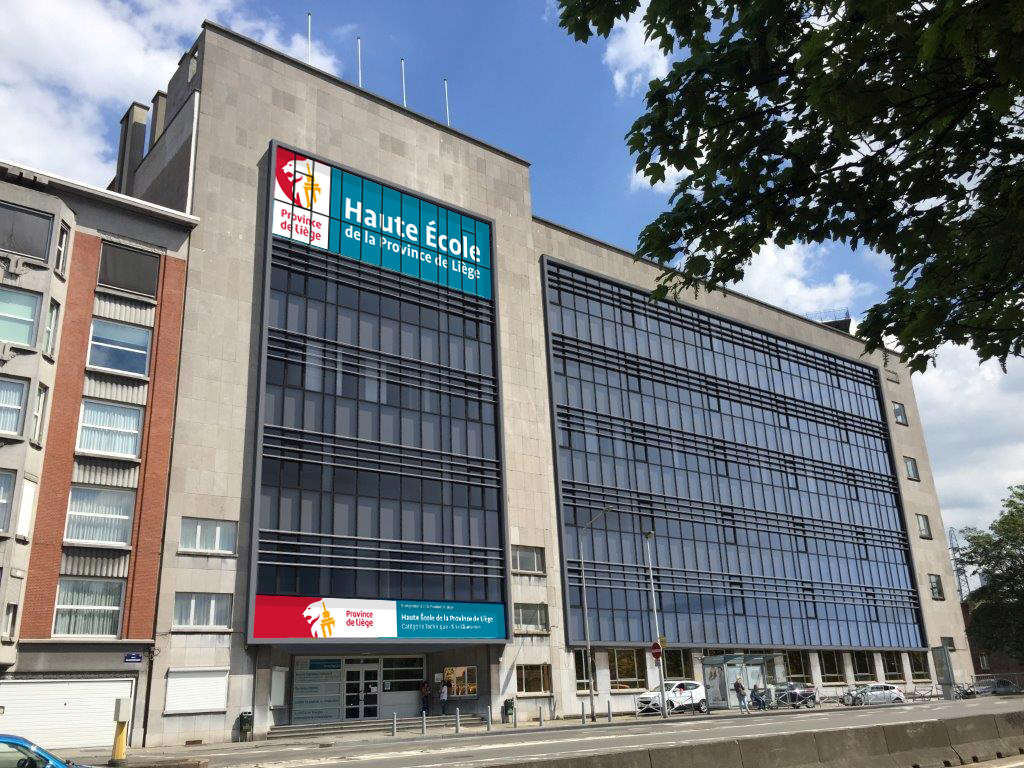
HEPL – Engineering Department
ISSeP
Questions ?
HEPL – Engineering Department
Valery Broun - valery.broun@hepl.be
Go to HEPL – Engineering Department‘s website